


Two quotations arrive for the same twelve parts. One is 8% cheaper per piece. Six weeks later the cheaper one has cost more, and the reason is not in either document — it is in what neither document said. Reading a quotation well is mostly about noticing the omissions.
FOB and CIF, in the terms that matter to you
FOB (Free On Board) — the supplier delivers to the port of origin and clears export. You arrange and pay for the ocean freight, insurance, destination charges, duty and delivery. Risk transfers when the goods are loaded.
CIF (Cost, Insurance and Freight) — the supplier arranges ocean freight and insurance to a named destination port. Note what this does not include: destination terminal handling, customs clearance, duty, and delivery from port to your door.
The frequent misunderstanding is that CIF means "delivered". It does not. A CIF quote and an FOB quote are not comparable by looking at the numbers, and a CIF price can easily be the more expensive of the two once destination charges land.
If you want a genuinely comparable number, ask for FOB, plus the carton dimensions and weights. With those you can get your own freight quote and build a real landed cost. A supplier who will not give you carton data is making comparison difficult, whether or not that is intentional.
Why unit price is the least useful number
Unit price is one input into landed cost, and often not the dominant one. The full picture:
unit price
  + freight allocated per piece   ← driven by carton efficiency, not by the goods
  + duty                          ← driven by classification
  + destination charges
  + inspection / rework provision
  + the cost of the stock sitting there
= landed cost
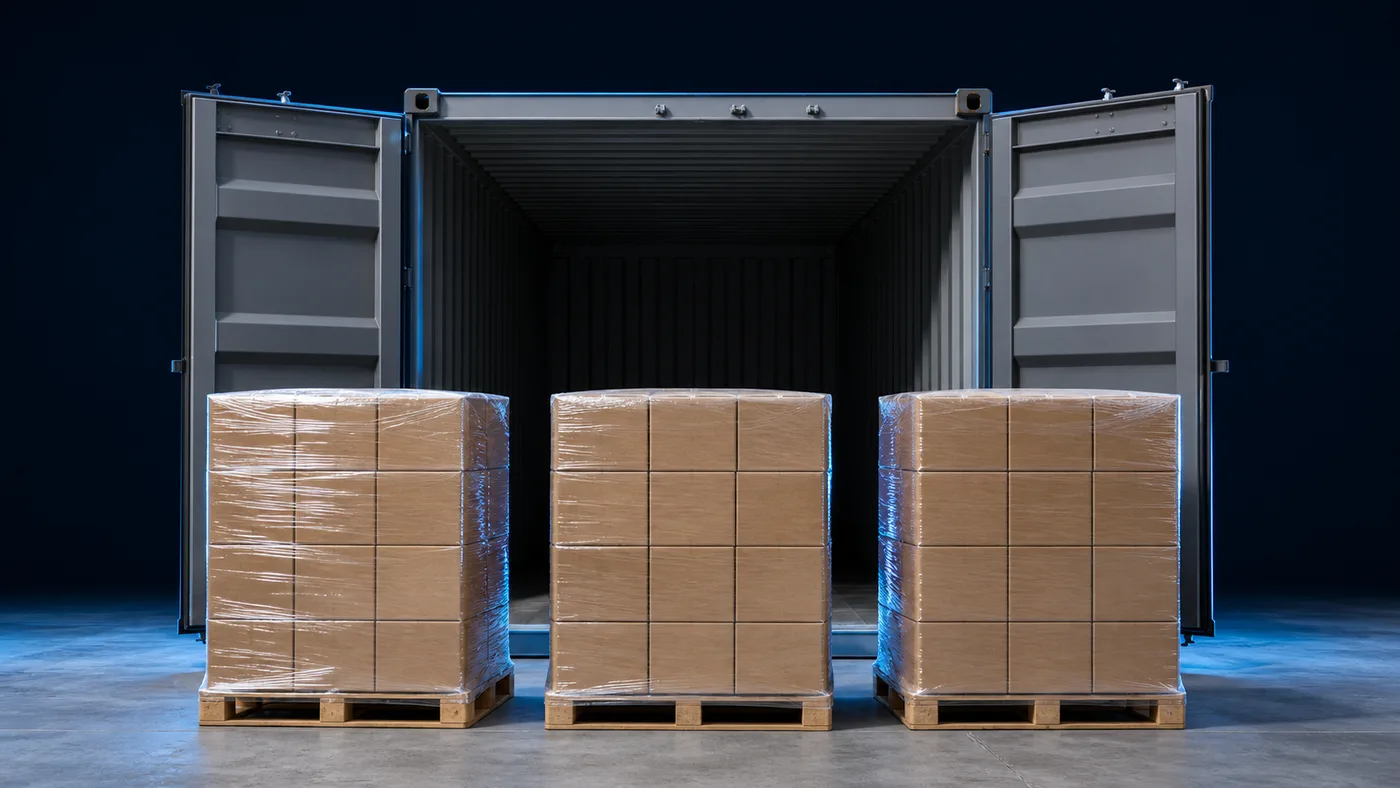
The line that surprises people is the second one. Freight is charged on volumetric weight for most part categories, which means how efficiently the parts are packed can move landed cost more than an 8% price difference. Thirty half-empty cartons versus twelve full ones is a real cost difference on identical goods.
The six omissions to check for
1. Carton specification. Pieces per carton, carton dimensions, gross and net weight. Without these you cannot calculate freight, and you cannot check whether the packing is sensible. Ask for them as part of the quote, not after.
2. What the MOQ is attached to. Per SKU or per order, and whether cartons can be mixed. A "MOQ 50" that forbids mixed cartons is a different commercial offer from one that allows it.
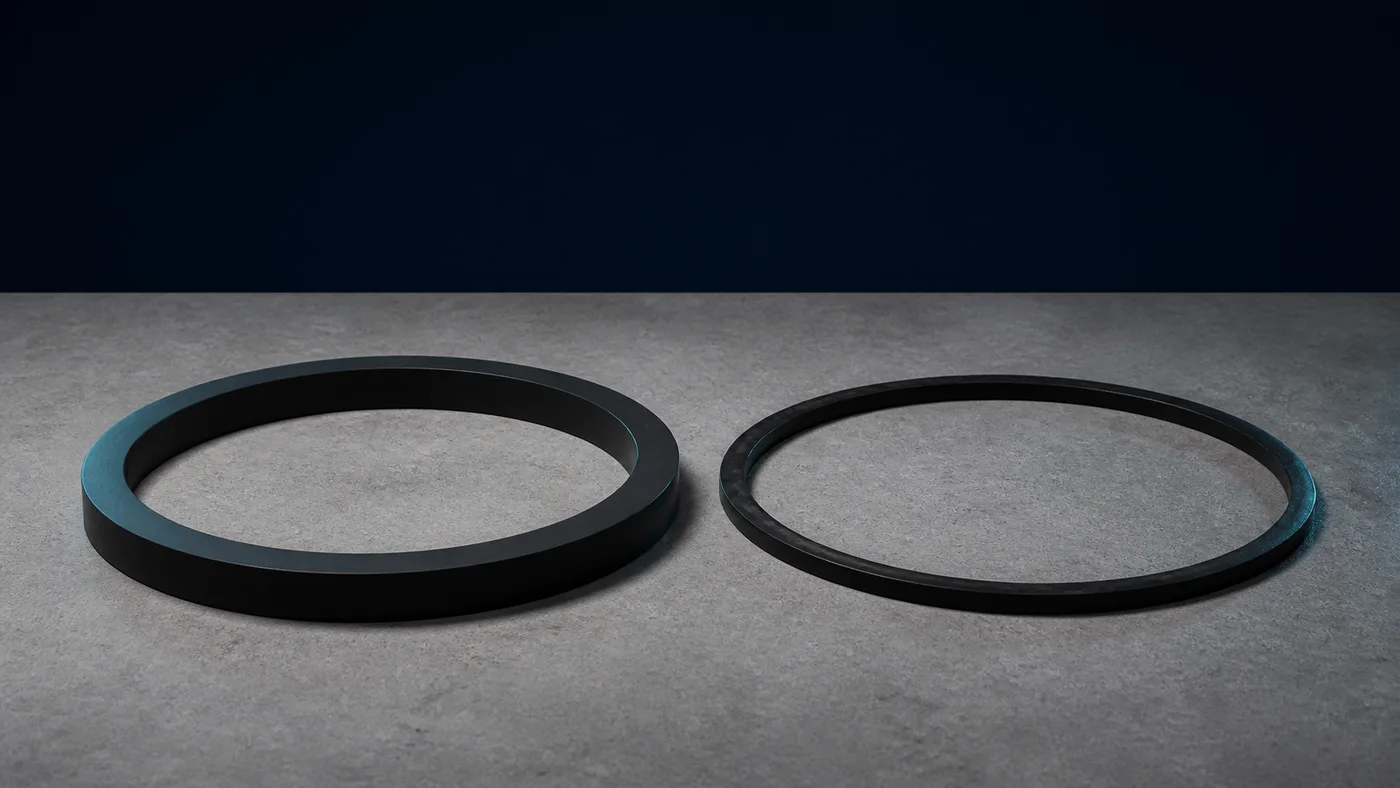
3. Material, stated per part. "Rubber" is not a material. EPDM, nitrile and silicone behave completely differently in chlorinated water at temperature. Get the material on the quotation so it is on the purchase order.
4. Lead time, and what it is measured from. From order confirmation, from deposit received, or from artwork approval? Those can differ by two weeks. And is it production time only, or does it include the time to get to the port?
5. Price validity, and what happens if it expires. Resin prices move. A quote with no validity date is not a commitment.
6. What happens on a quality claim. Not usually on a quotation at all, which is exactly why it should be asked before the first order rather than during the first problem.
Lead time is a range, and the range has a reason
A supplier quoting a single number for every order size has not thought about it. Production sits in a queue and order value determines your position in it. A structure that is honest looks like this:
| Order value (USD) | Production lead time | Sample lead time |
|---|---|---|
| ≤ $10,000 | 25–30 days | 7–10 days |
| $10,001 – $30,000 | 20–25 days | 5–7 days |
| $30,001 – $100,000 | 15–20 days | 5–7 days |
| > $100,000 | 10–15 days | 3–5 days |
Two things to read from a table like this. The improvement is in scheduling priority, not in how fast a machine runs — so a supplier promising a dramatic reduction on a small order is either idle or optimistic. And the MOQ does not move with order value, because MOQ is a floor set by setup cost, not a negotiating lever.
Comparing two quotes properly
Normalise before you compare:
- Convert both to the same Incoterm — ask the CIF supplier for FOB, or the FOB supplier for CIF to your port
- Get carton dimensions and weights from both
- Calculate freight per piece for both using the same rate
- Add duty using the same classification
- Compare the totals, then look at the non-price terms
Step 5 is where the decision usually gets made. A 5% price difference is often smaller than the difference between a supplier who supplies samples and one who does not, or one who will hold your material specification and one who has never been asked.
The question that reveals the most
Ask for the quotation to be broken down: material cost, processing, packaging, and margin structure across two volume tiers.
A manufacturer can do this because they know their own costs. A reseller cannot, because the number they are quoting is somebody else's price plus a percentage. You do not need the breakdown to be perfectly accurate — you need to see whether the person quoting understands where the number comes from.
Sourcing
POOLPOINT quotes FOB with carton dimensions and weights included, so you can build your own landed cost rather than take ours on trust. MOQ is 50 pcs per part with mixed cartons accepted, materials are stated per part, and single-piece samples are available before any production commitment. Send us the list you are comparing and we will quote it line for line.